Freeware and Open-Source Software: What They Mean and Why They Matter

When downloading apps or software for Windows, users often see terms like Freeware and Open Source. Although both mean you don’t have to pay money to use the software, they represent very different philosophies, rights, and levels of freedom. Understanding these licenses helps users choose safer, more flexible, and more reliable applications.
What is Freeware?
Freeware refers to software that is available to use at no cost. You can download, install, and run it for free, but the developer still owns the software and controls how it is used.
Most freeware programs are closed-source, which means users cannot see or modify the code behind the app. The company or developer decides:
-
What features are included
-
Whether ads are shown
-
If the software can be used for business
-
When or if the software stops working
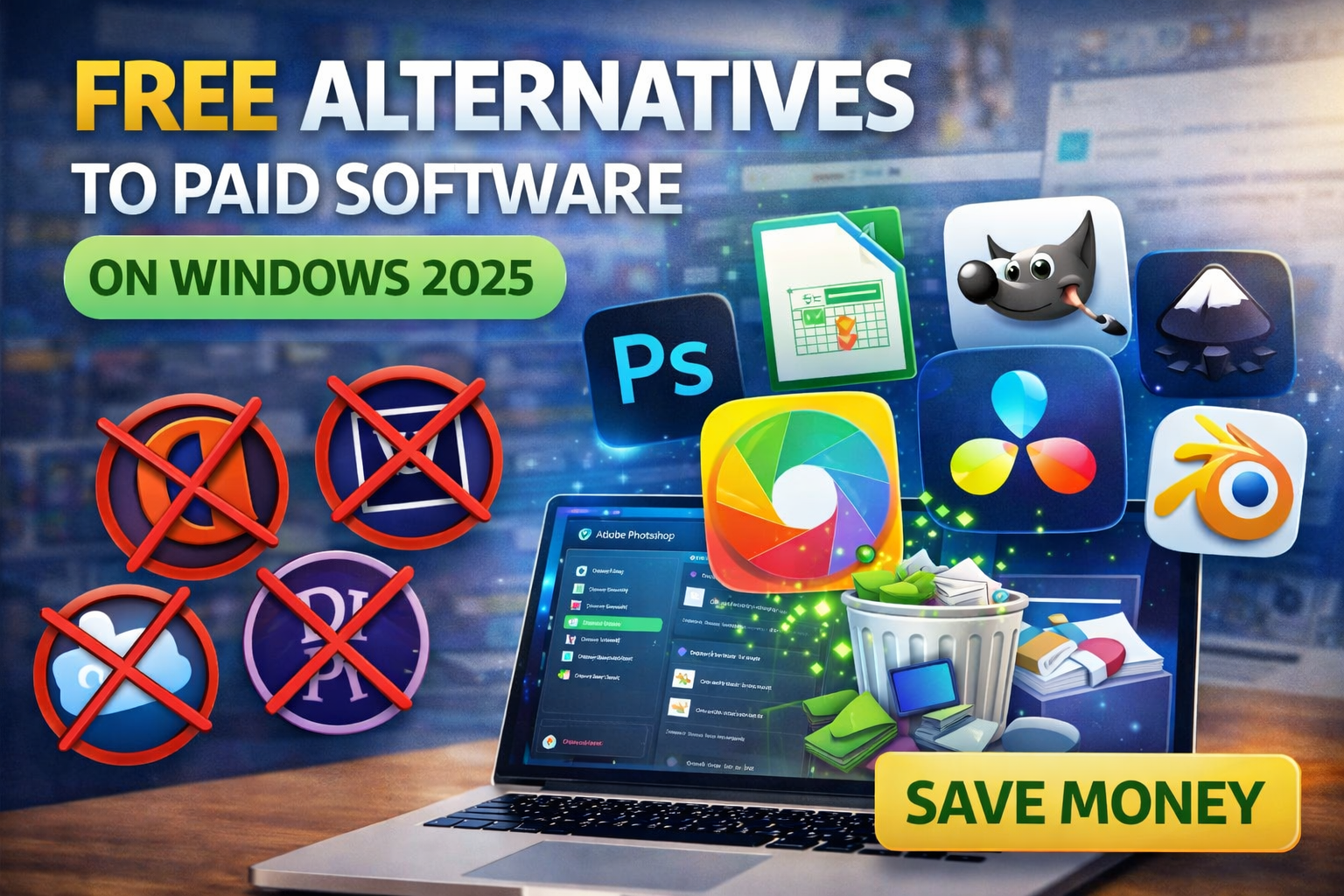
Many popular Windows tools such as media players, PDF readers, and system utilities are distributed as freeware.
Freeware is great for users who just want a working tool without paying money, but it does not always provide long-term freedom or transparency.
What is Open-Source Software?
Open-source software is not only free to use but also gives users access to the program’s source code. This means anyone can:
-
See how the software works
-
Check it for security issues
-
Modify it
-
Improve it
-
Share their own version
Open-source software is built on transparency and community collaboration. Instead of depending on one company, many developers from around the world help improve the software.
Examples include Linux, VLC Media Player, LibreOffice, and many development tools.
Key Differences Between Freeware and Open Source
| Feature | Freeware | Open Source |
|---|---|---|
| Price | Free | Free |
| Source Code | Hidden | Public |
| Can modify | No | Yes |
| Can redistribute | Usually limited | Yes |
| Security transparency | Low | High |
| Community development | Rare | Very common |
Freeware gives you a free product.
Open source gives you freedom and control.
Why Open-Source Software Is Trusted
Because open-source code is visible, security experts and developers can inspect it. This makes it harder for malware, spyware, or hidden tracking to exist without being noticed.
Many governments, universities, and tech companies rely on open-source software because:
-
It can be audited
-
It is not controlled by one vendor
-
It is usually more secure in the long run
Why Freeware Is Still Popular
Freeware is often easier for everyday users because:
-
It usually has a polished interface
-
It requires no technical knowledge
-
It works out of the box
However, users must trust the developer since the code is not visible.
Which One Should You Choose?
If you want simplicity and convenience, freeware may be enough.
If you value privacy, control, and long-term reliability, open-source software is usually the better choice.
Many people use a mix of both: freeware for everyday tasks and open-source tools for security, productivity, and professional work.
Conclusion
Freeware and open-source software both give users free access to useful applications, but they serve different purposes. Freeware focuses on convenience, while open source focuses on freedom, transparency, and community development.
Knowing the difference helps you make smarter decisions when downloading apps for Windows and protects you from hidden restrictions or risks.




No comments yet. Be the first to comment!